
Is My Piercing Infected or Just Healing? (Warning Signs)
Redness, mild swelling, and clear-to-whitish discharge are normal for the first 3–5 days. After that, red flags look different: pain that gets worse instead of better, redness spreading outward, thick yellow-green pus, or fever. If you can’t tell which one you’re seeing, don’t guess — come in, text us, or see a doctor.
Every fresh piercing goes through a stretch that looks alarming if you’ve never healed one before — puffy, a little sore, weeping some fluid. That’s ordinary repair work, not a sign something’s wrong. Infection has a different shape: it gets worse instead of better, with symptoms that don’t belong in normal healing. Below is both, side by side. If you’re still not sure after reading, come in, text us, or check with a doctor.
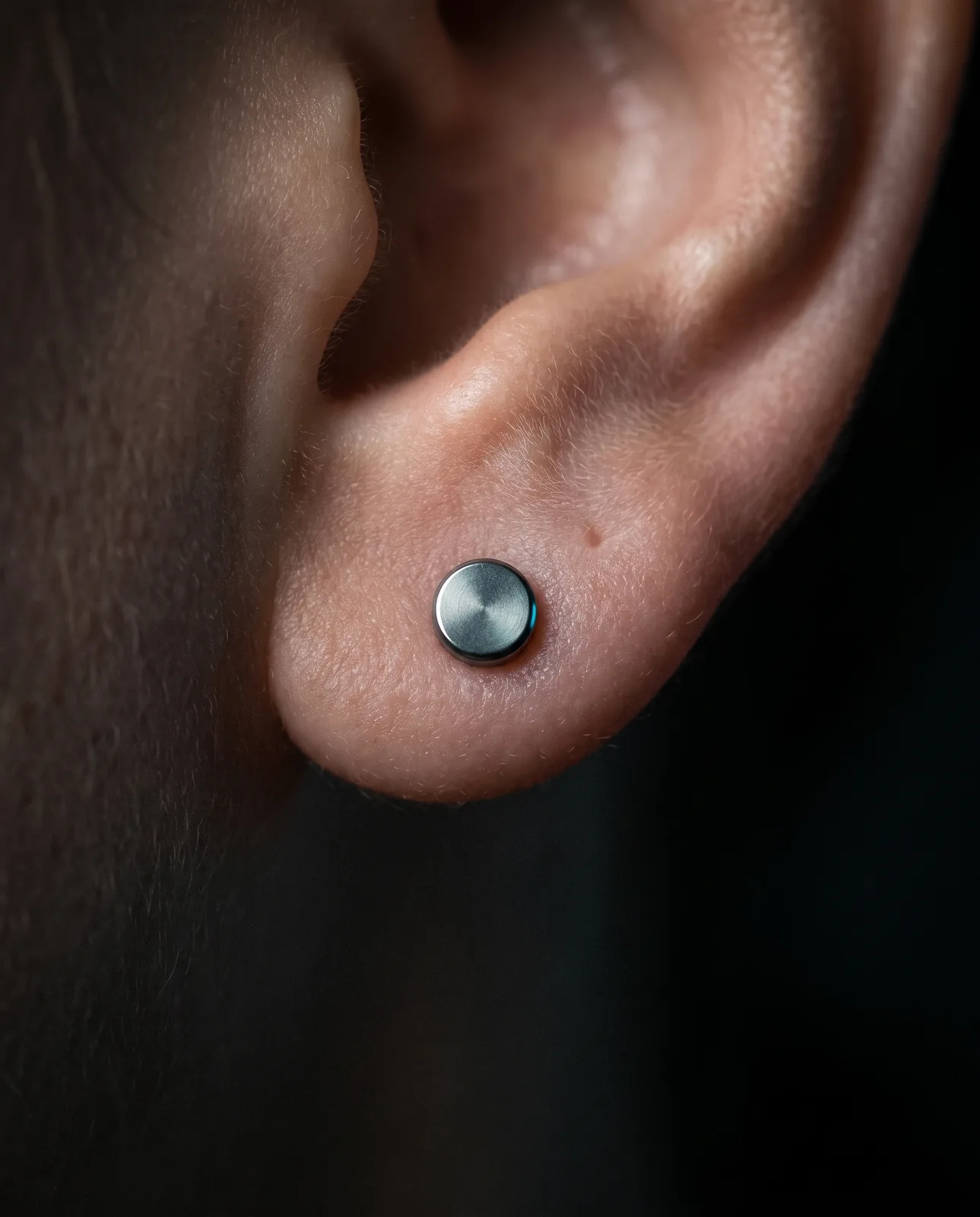
What Normal Piercing Healing Actually Looks Like
Normal healing is uncomfortable, not alarming. Expect redness and tenderness right around the piercing, some swelling, and a clear or whitish fluid that dries into a light crust — not pus. A little warmth right at the site and occasional itching later on are normal too.
How long that lasts depends on the piercing. Lobes calm down within a couple of weeks. Cartilage, nose, and navel piercings stay angrier-looking longer, since they’re healing through tougher tissue with less blood flow. What matters more than the calendar is direction — normal healing trends toward better, even slowly. Holding steady or worsening is the signal to stop guessing.
Normal vs. Red Flag: The Quick-Reference Table
| Sign | Normal Healing | Possible Infection |
|---|---|---|
| Redness | Pink/red right around the piercing, fades over days to weeks | Spreading outward, getting darker or more intense over time |
| Swelling | Mild, worst in the first 2–3 days, then eases | Increasing after day 5, or spreading beyond the piercing |
| Discharge | Clear or whitish fluid, dries into light crust | Thick yellow or green pus, often with a bad smell |
| Pain | Tender to the touch, improves daily | Gets worse instead of better, or throbbing |
| Warmth | Slightly warm right at the piercing | Increasing heat, or heat spreading outward |
| Skin nearby | Normal tone beyond the immediate area | Red streaks running out and away from the piercing |
| How you feel overall | Fine, maybe a little sore | Fever, chills, or feeling generally unwell |
One or two items from the left column, that’s ordinary healing. Anything from the right column — even one item — is a reason to stop guessing. If you’re somewhere in between, don’t wait it out: come in, text us, or call a doctor.
Go to a Doctor Now — Don’t Wait on These
These aren’t wait-and-see situations. Get seen the same day — urgent care or an ER — if you notice:
- Fever or chills
- Red streaks running outward from the piercing
- Redness that’s visibly spreading beyond the piercing itself
- Thick yellow or green pus, especially with a foul smell
- Pain that keeps escalating days after the piercing, instead of settling down
- Swelling that’s getting worse, not better, after day 5
- Feeling generally sick, dizzy, or unwell alongside any piercing symptom
Leave the jewelry in unless a doctor tells you to take it out. Pulling jewelry from an infected piercing can trap infection under healing skin instead of letting it drain. If you’re considering removing it yourself, call a doctor or text us first.
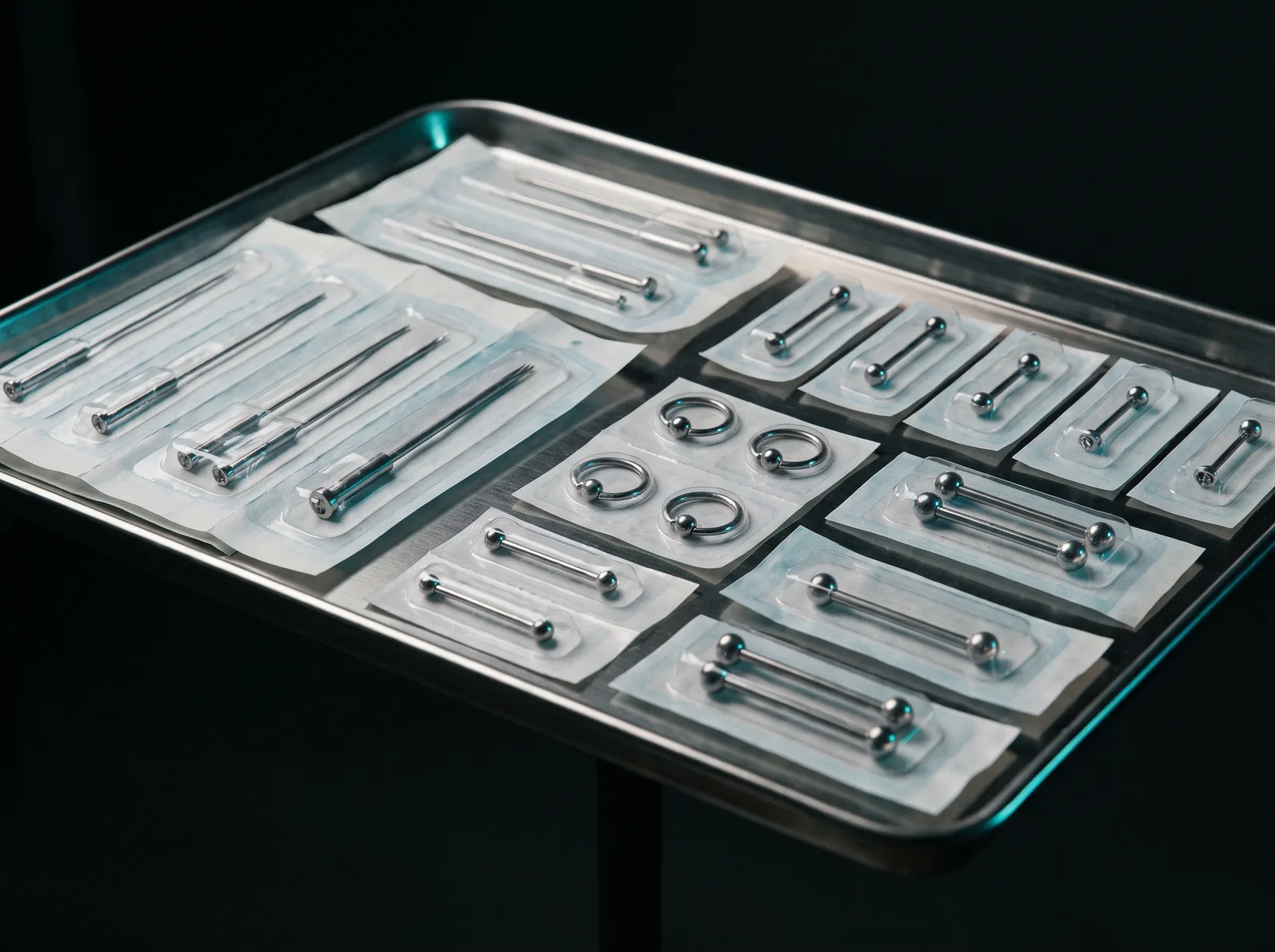
When to Come by the Studio Instead
A lot of what looks scary in week one turns out to be jewelry that doesn’t fit right, a reaction to a lower-grade metal, or a cleaning routine doing more harm than good, not infection. That’s what a studio visit is for.
- Jewelry feels tight, looks embedded, or the piercing seems to be migrating
- Redness or itching that follows the exact outline of the jewelry, with no pus, fever, or spreading — often a material reaction, not infection
- You’re not sure your cleaning routine is right, or think you’ve been over-cleaning it
- A bump, crust buildup, or a general “does this look right” question, no other red flags
We use implant-grade titanium for every piercing because it’s the material least likely to trigger a reaction in healing skin — more on why, on our safety and sterility page. If a metal reaction sounds like what you’re dealing with, our titanium vs. gold guide covers telling it apart from infection.
If you’re not sure which category you’re in, text us a photo before diagnosing it off a forum thread. We’d rather look and tell you it’s nothing than have you wait out something that isn’t.
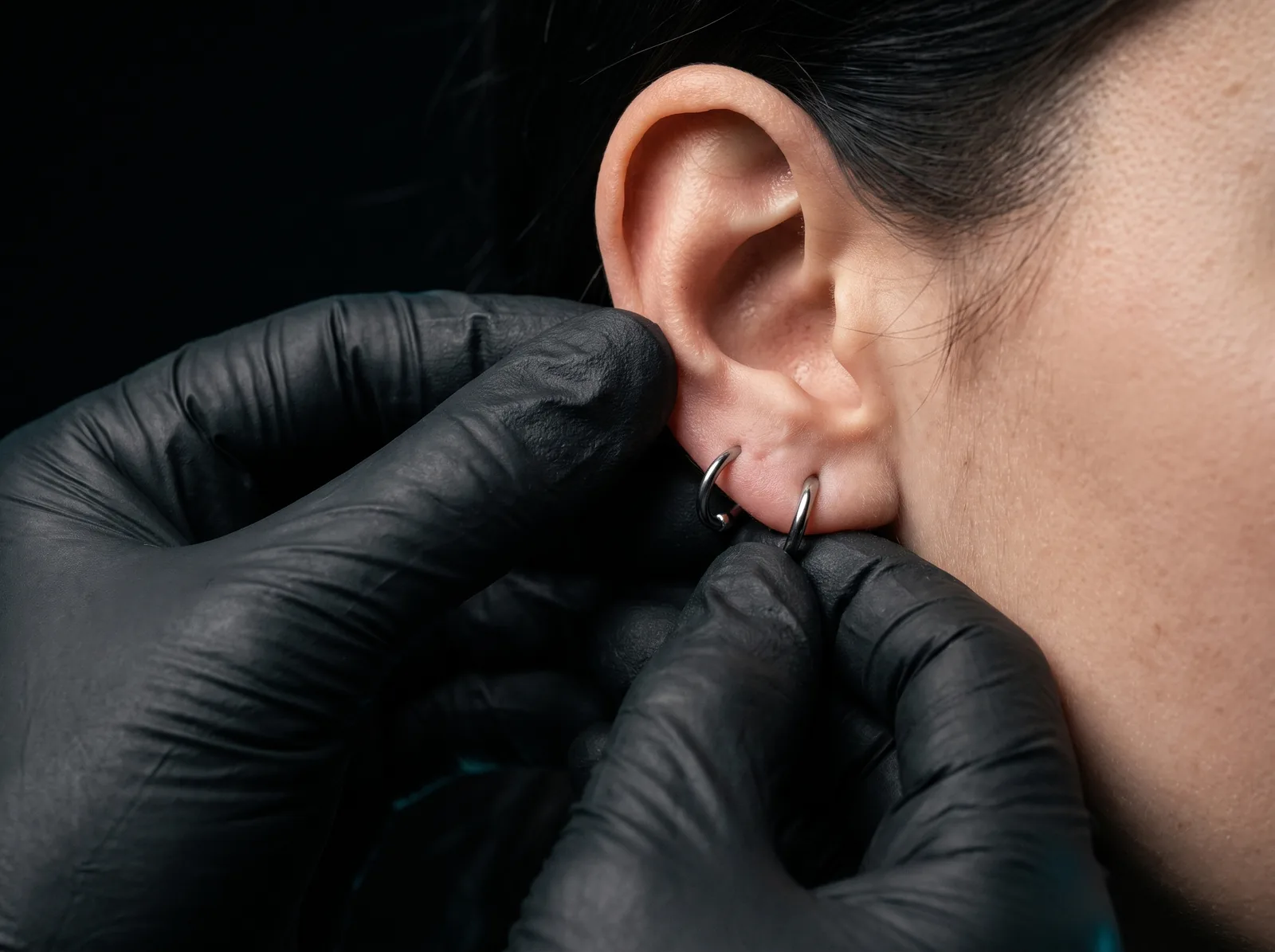
Not Everything Weird Is Infection
A few things trip people up without being red flags: a small firm bump weeks in (often scar tissue or early keloid, not infection), itching as healing progresses, mild temporary discoloration, and more discharge than expected from oral or nose piercings simply from how much fluid those areas produce. None of this is a diagnosis to make off a photo and a guess, ours included — it’s context. The same normal-vs-red-flag logic applies to tattoo healing, if you’re healing both at once — see our tattoo aftercare guide. Full piercing aftercare lives on our aftercare page.
Not sure if what you’re seeing is normal? Ask About Your Piercing — Text Us →
Text us at (561) 663-6834 with a photo and a quick description — we’ll tell you if it looks like ordinary healing or if you should be seen.
FAQ
How long does piercing healing normally take?
Depends on the piercing. Lobes usually settle in 6 to 8 weeks. Cartilage, nose, and navel piercings take longer, often several months to a year underneath. Most visible redness and tenderness fades well before that — what’s left is quieter healing you can’t see.
Is it normal for my piercing to still be a little red after two weeks?
Yes, especially for cartilage, nose, or navel piercings, which heal slower than lobes. What matters is direction — redness that’s fading, even slowly, is normal. Redness holding steady or getting worse at the two-week mark is worth a text or a visit, not more waiting.
What’s that yellow-white stuff crusting around my piercing? Is that pus?
Probably not. Clear or whitish fluid that dries into light crust is normal healing, not pus. Real pus is thicker, usually yellow or green, often smells bad, and comes with other symptoms like spreading redness or rising pain. Light crust with everything else calm is ordinary — if you’re still unsure, text us a photo.
Could this be a metal allergy instead of an infection?
Yes, more often than people expect. A reaction to lower-grade metal usually shows up as redness or itching that follows the exact shape of the jewelry, without pus, fever, or spreading redness. That’s a “come by the studio” situation, not a “go to a doctor now” one — if you can’t tell which, text us a photo and we’ll help sort it out.
Should I take my jewelry out if I think it’s infected?
No, leave it in unless a doctor tells you otherwise. Removing jewelry from an infected piercing can trap infection under healing skin instead of letting it drain, which tends to make things worse. If you’re worried enough to consider it yourself, text us or see a doctor instead.
Still can’t tell if it’s normal or not? Ask About Your Piercing — Text Us →