
How Much Does a Tattoo Cost in Hollywood, FL? (2026 Price Guide)
Tattoos in Hollywood, FL typically run $80 to $2,000+, depending on size, style, and the artist doing the work. Small pieces sit at the low end; large custom or multi-session projects climb higher. Cover-ups add 30–60% on top of a comparable new design’s price, since they need extra planning and ink to bury what’s underneath.
That range is honest, but it’s not a quote. Nobody can tell you what your tattoo costs without seeing it — the size on a screen and the size on your arm are two different conversations, and reference photos rarely translate 1-to-1 onto real skin, curves, and existing ink. What we can do is break down exactly what moves the number, so you walk into a consultation knowing what you’re paying for instead of guessing.
We do walk-ins and scheduled consultations at our Hallandale Beach studio, and the pricing logic below is the same either way — it’s not a “walk-in tax” or a “loyalty discount,” it’s the same math every time: size, placement, style, sessions, and artist.
What a Tattoo Actually Costs, by Size and Style
Every shop prices differently, and any number you find online — including this one — is a starting point, not a quote. Here’s the general shape of it. Treat the ranges below as a planning tool; confirm exact numbers with us before you build a budget around them.
| Size / Placement | Style | Typical Range |
|---|---|---|
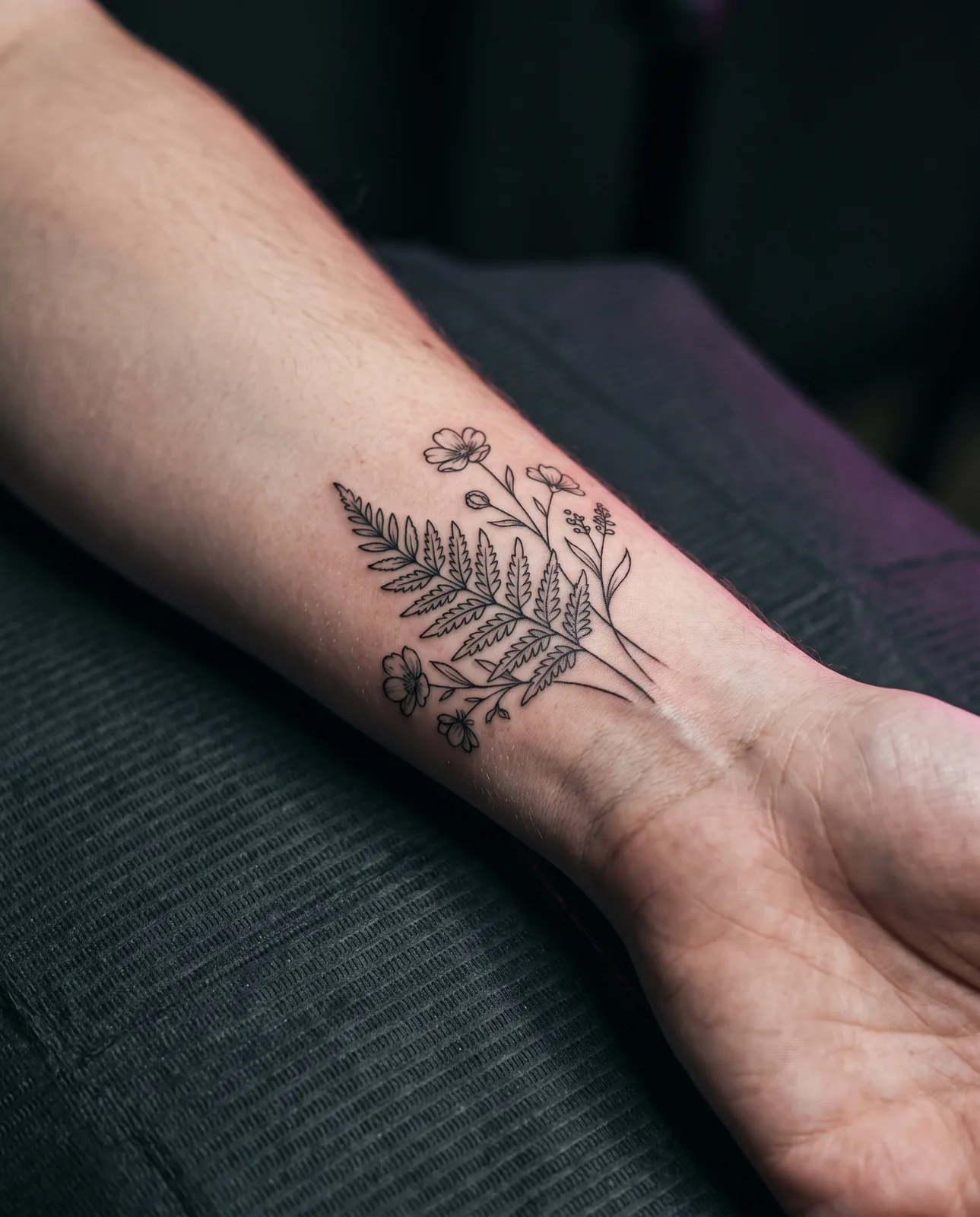
| Small (2–3 in — wrist, ankle, behind the ear) | Fine line, simple black work | From $150 |
| Medium (palm-sized to a forearm panel) | Black & grey or color realism | $200–$500 |
| Large (full sleeve section, back panel) | Any style | $500–$1,200 |
| Large-scale (full sleeve, full back, and beyond) | Multi-session custom, priced per session | $1,200 (half-day) to $2,000 (full-day) per session |
| Cover-up (any size) | Any style | +30–60% over a comparable new-tattoo price |
Two things worth knowing before you look at that table again. First, placement and detail move the number more than raw size does — a 3-inch fine-line piece on flat skin can cost less than a 3-inch piece packed with color and shading. Second, anything landing in the large-scale rows usually isn’t a single appointment — it’s a project. We break those down in our large-scale projects guide, including how sessions and pricing get structured over time.
5 Factors That Actually Move Your Price
The size chart above gets you in the right neighborhood. These five things are what actually set the number once we see your idea and your skin.
-
Size. More surface area means more time under the needle, and time is what you’re paying for. This one’s obvious, but it’s not the whole story — a small piece with the wrong style or placement can outprice a bigger, simpler one. See the next four.
-
Placement. Flat, easy-to-reach areas (outer forearm, calf) move faster than curved or bony spots (ribs, hands, feet, sternum). Curved skin means more careful linework and more breaks, which adds time even at the same physical size — and some spots are just slower to work on regardless of skill.
-
Style and detail level. Simple black linework is the fastest thing we do. Heavy black & grey shading and full color realism take longer — color especially, because it’s built in layers and needs more precision to heal true to the reference. Fine line work is fast to lay down but unforgiving of mistakes, which is its own kind of slow. This is also where our 1/3 rule breakdown is worth a read — it explains how a piece splits into linework, shading, and detail work, and why detail is usually the part that eats the clock.
-
Number of sessions. Anything past a single sitting changes the math — you’re not just paying for more hours, you’re paying for a piece that’s planned to heal and hold up across sessions, with each session picking up cleanly where the last one left off. Large projects like sleeves, backs, and chest pieces typically run 2 to 8 sessions, and each one gets priced as part of the whole plan, not as a standalone guess.
-
Your artist. Rates vary by experience and demand, same as any skilled trade. Two artists can quote differently for a design that looks identical on paper, because the hours, the eye for anatomy, and the ability to make a reference actually work on skin aren’t identical.
Deposits, Taxes, and Tips — the Short Version
A few money questions come up in almost every consultation, so here they are straight:
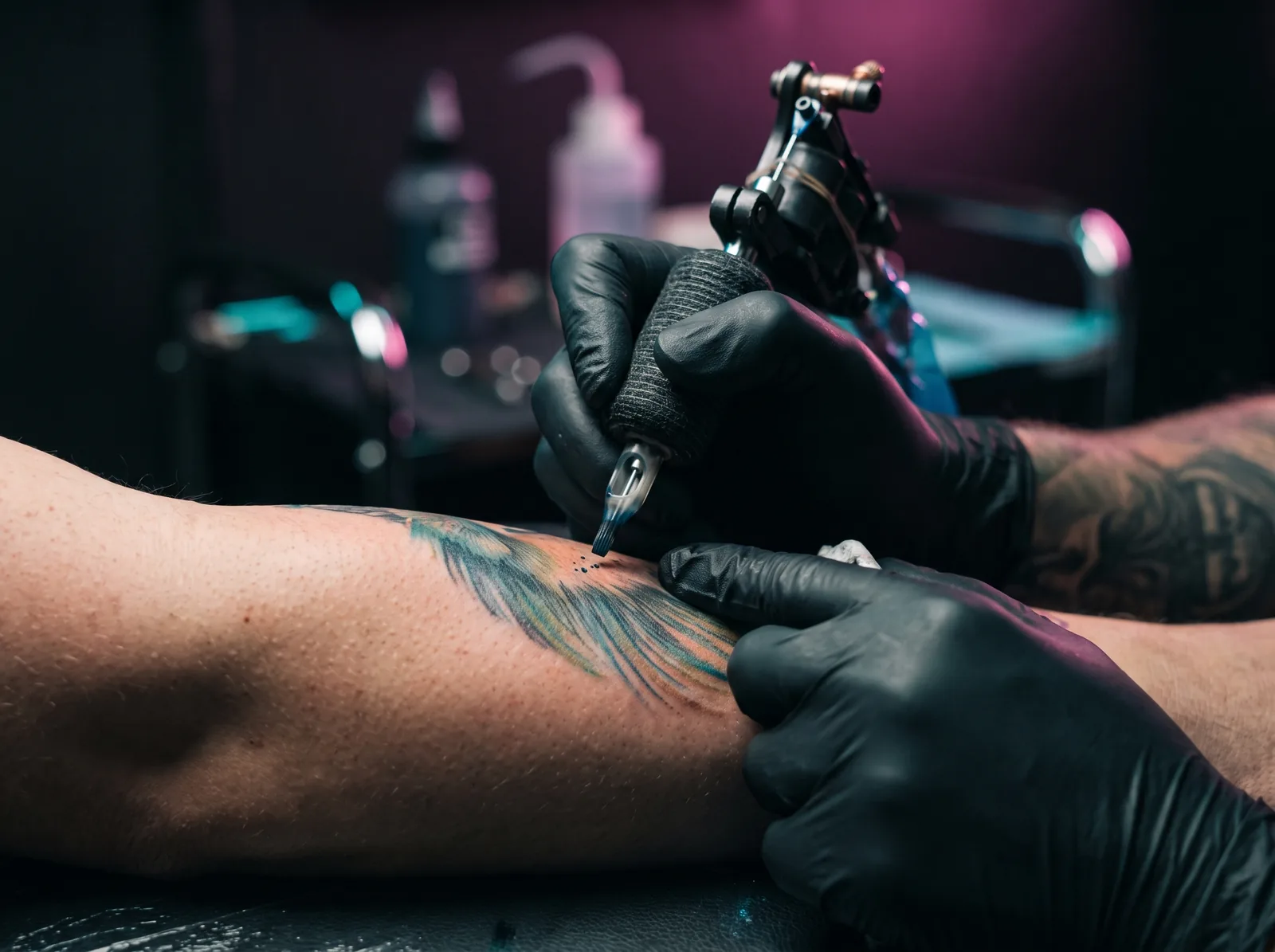
- Deposits. Custom work requires a deposit to hold your appointment and lock in design time — the exact amount is confirmed at your consultation, before you commit to anything. It comes off the final price of your tattoo.
- Sales tax, if any. Whatever applies is baked into the number your artist gives you at consultation — no surprise line items at checkout.
- Tips. Tipping your artist is standard practice in the industry, similar to a hair stylist or barber. We’ve written a full breakdown of what’s typical for different price points in our tipping etiquette guide — short version, it’s appreciated but never required to get good work.
Cover-Ups Cost More — Here’s the Math
Covering old ink takes more than inking a new design on top of it. Your artist has to design around what’s already there — work with its shape, darken or restructure lines that won’t fully disappear, and often add extra shading or color saturation to bury the old ink for good. That’s more planning time before you even sit down, and often more time in the chair.
That’s why a cover-up typically runs 30–60% more than a comparable new design in the same size and style. A simple black silhouette covering a small, light, faded tattoo sits at the low end of that. A large, dark, saturated piece that needs to disappear under something detailed sits at the high end — sometimes it needs its own multi-session plan, the same as a large-scale custom piece. Age and fading of the original work matter too: a decade-old tattoo that’s softened over the years is usually easier to build over than something dark and recent.
If you’re carrying ink you’re ready to move on from, the honest first step is a consultation, not a guess based on a photo. Bring what you have, tell us what you’re picturing, and we’ll tell you what’s realistic — both in design and in price.
How to Get an Exact Number
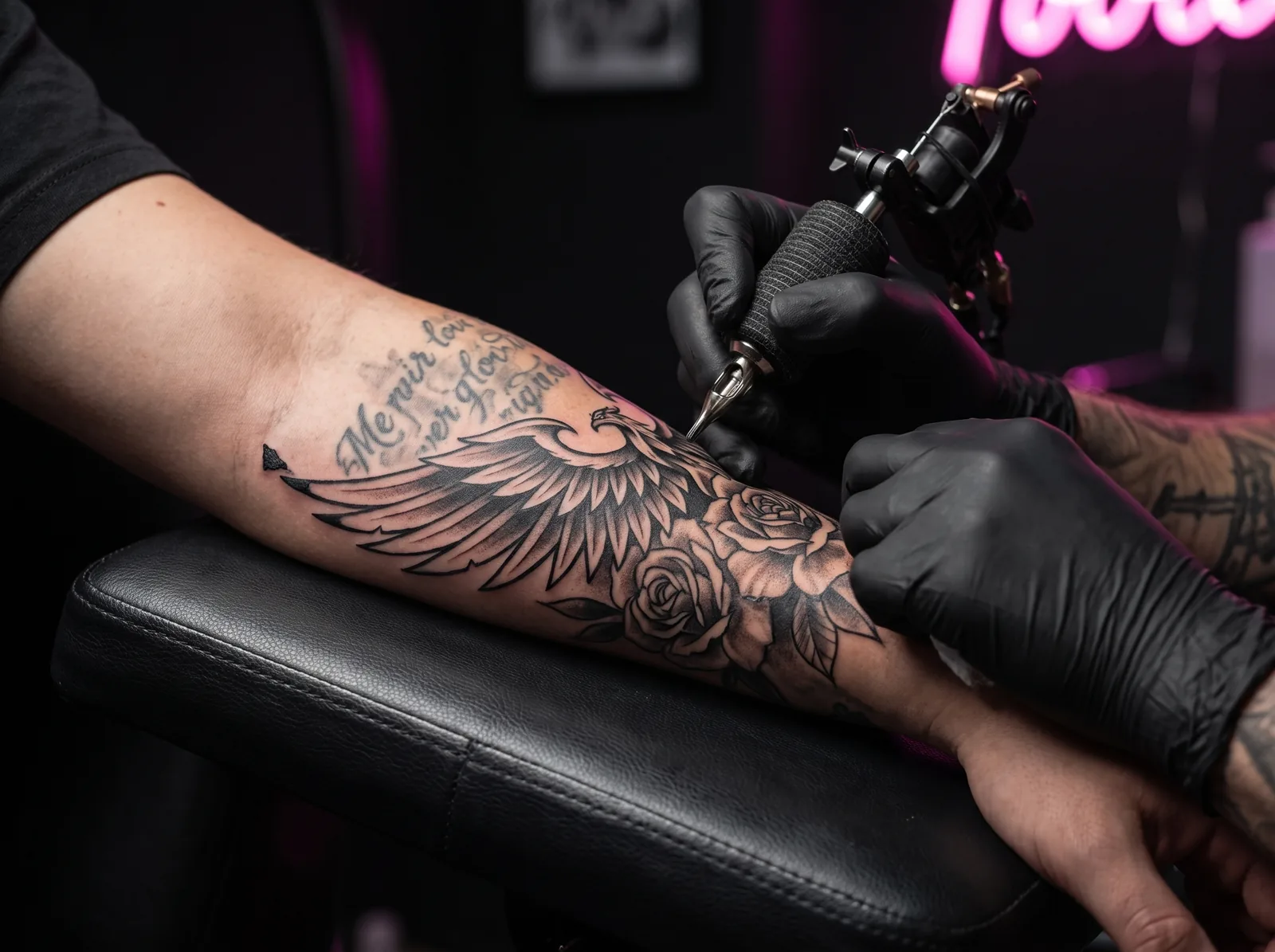
Everything above is context. The only way to get a real quote is to show us the idea — size, placement, style, and any reference you’re working from. Consultations are free and walk-ins are welcome, so there’s no pressure to commit before you know what you’re actually looking at.
Full pricing structure, including how we handle deposits, size tiers, and large-project quotes, lives on our pricing page.
Want a number, not a range? Get Your Exact Quote in 2 Hours →
FAQ
Why do prices vary so much between shops?
Because you’re not paying for ink, you’re paying for an artist’s time, skill, and the design work that happens before the needle ever touches your skin. Two shops can quote differently for the “same” tattoo because their artists’ hours, experience, and approach to the design aren’t the same. A lower quote isn’t automatically a better deal if it means less time spent on your design or your skin.
Can a small tattoo cost more than a big one?
Yes. A tiny piece packed with fine detail, color, or tricky placement (fingers, ribs, behind the ear) can take longer than a larger piece done in simple black linework on flat skin. Size is one input, not the whole formula — style, placement, and detail level often matter more than the inches.
Is my deposit refundable?
Ask at your consultation, before you pay it — refund, transfer, and no-show terms are explained upfront so there’s no ambiguity later.
How much should I budget for a full sleeve?
Full sleeves are priced as a multi-session project, not a single number, and they typically run 2 to 8 sessions depending on detail and coverage. Our large-scale projects guide walks through how that budget and timeline actually gets built out.
Does the price include touch-ups?
Ask your artist at your consultation — touch-up windows and eligibility vary by piece, style, and placement (fine line especially; see our fine line guide). You’ll know exactly what your specific tattoo qualifies for before you sit down.
Not sure what your idea would cost? Get Your Exact Quote in 2 Hours →